
- Your cart is empty
- Continue Shopping

Product

BPC-157-10mg
-31%


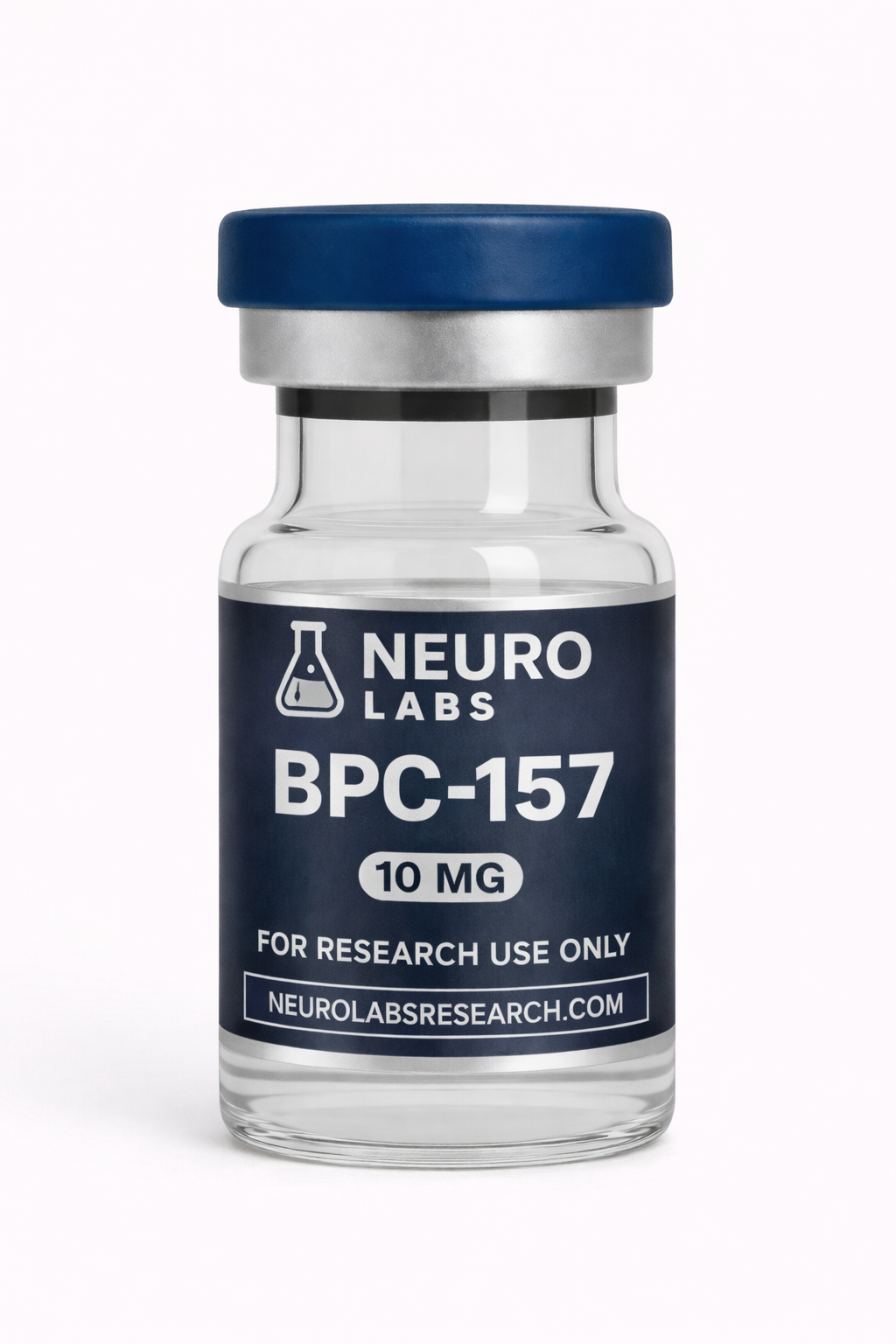
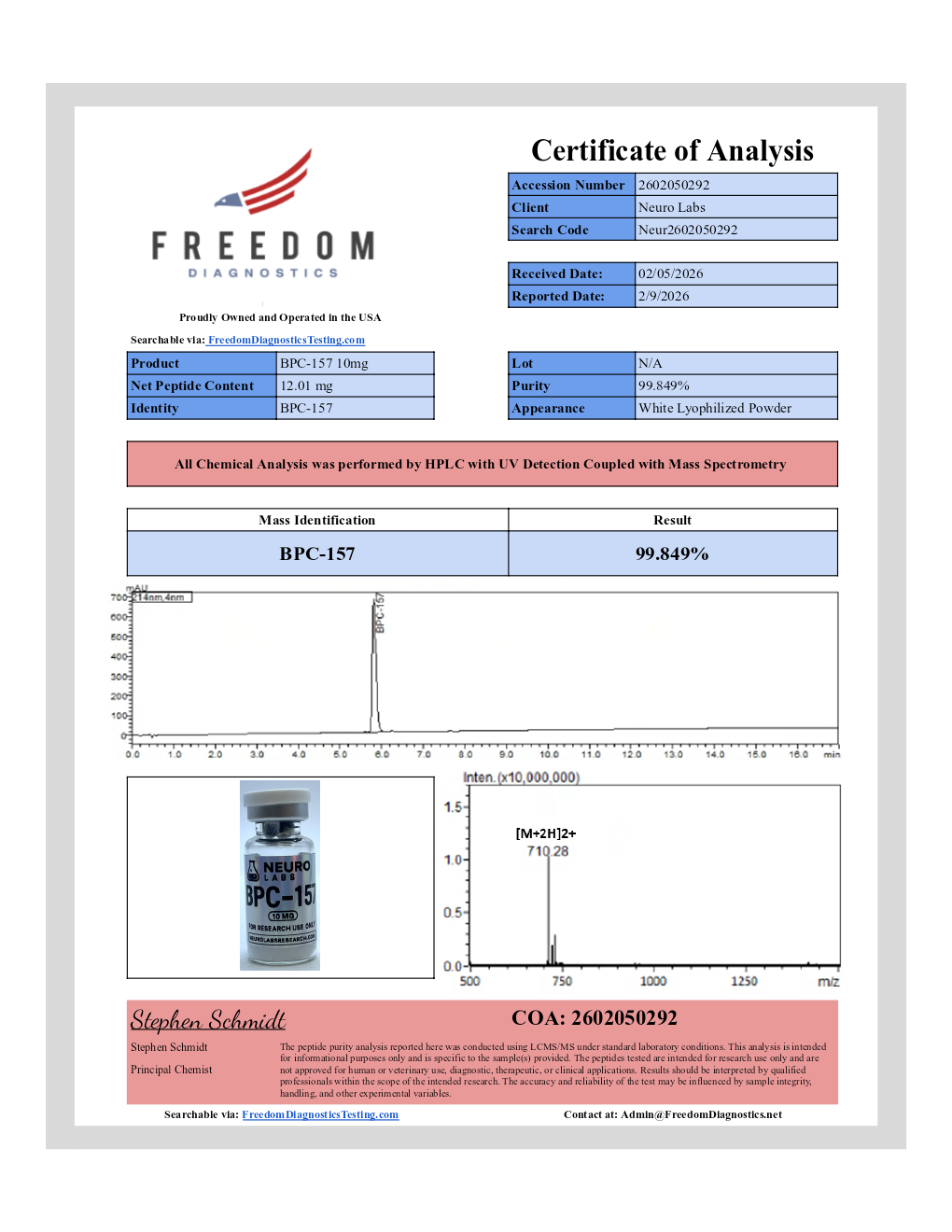
BPC-157-10mg
$45.00Current price is: $45.00. Original price was: $65.00.
Product Details
Form: Lyophilized powder
Purity: ≥99%
Research Application Guidelines
This material is intended solely for controlled in vitro laboratory research performed by trained professionals. It is not approved for human or veterinary use and must not be incorporated into foods, pharmaceuticals, cosmetics, or diagnostic applications.
Regulatory Notice
This compound has not been evaluated by the FDA and is not intended to diagnose, treat, cure, or prevent any disease. All handling, storage, and research activity must comply with institutional policies and regulatory standards.
Purchase & Responsibility Agreement
All purchases from Neuro Labs are final. By completing this transaction, the buyer confirms they are a qualified researcher or authorized laboratory and accepts full responsibility for lawful use, proper storage, and compliance with all applicable regulations.
Add to cart
Buy Now
BPC-157 (10MG) Peptide: Benefits, Uses, and Research Overview
BPC-157 (10MG) is a research peptide widely studied for its potential role in tissue repair, recovery support, and cellular protection. Derived from a naturally occurring protein found in the stomach, BPC-157 has attracted significant attention in peptide research because of its possible regenerative and healing-related properties. Furthermore, researchers continue to explore its applications in muscle recovery, joint support, and gastrointestinal health studies.
At Neurolabs Research, BPC-157 peptides are featured alongside advanced research compounds developed for scientific and laboratory purposes.
What Is BPC-157?
BPC-157 stands for Body Protection Compound-157. It is a synthetic peptide made up of 15 amino acids and originates from a protective protein naturally present in gastric juices. Because of its stability and biological activity, researchers frequently investigate BPC-157 in studies related to recovery and cellular repair.
In addition, BPC-157 has become increasingly popular in peptide research due to its potential ability to support multiple tissue types, including muscles, tendons, ligaments, and the digestive system.
Potential Benefits of BPC-157 (10MG) Peptide.
Tissue and Recovery Research
Researchers commonly study BPC-157 for its possible role in supporting tissue repair and recovery. Consequently, the peptide has gained attention in studies involving muscles, tendons, ligaments, and connective tissues.
Joint and Mobility Support
BPC-157 may help support joint function and flexibility by influencing recovery-related pathways. Therefore, many researchers explore its potential applications in mobility and physical performance studies.
Gastrointestinal Health Research
Since BPC-157 originates from a stomach protein, scientists continue investigating its possible protective effects on the digestive system. Additionally, research suggests it may support gut lining integrity and gastrointestinal recovery processes.
Cellular Protection and Blood Flow Studies
Studies indicate that BPC-157 may influence angiogenesis, the formation of new blood vessels. As a result, researchers believe it could support nutrient delivery and cellular recovery in damaged tissues.
How BPC-157 Works
BPC-157 appears to interact with several biological pathways connected to healing and cellular communication. Specifically, researchers suggest it may support growth factor activity, collagen production, and circulation within damaged tissues.
Moreover, some studies indicate that BPC-157 may help regulate inflammatory responses while supporting cellular stability. Because of these properties, the peptide remains a major focus in regenerative and recovery-related research.
To learn more about peptide compounds and laboratory products, visit the Neurolabs Research peptide collection.
Common Research Applications
Researchers frequently study BPC-157 (10MG) in areas such as:
- Tissue recovery and regeneration research
- Joint and tendon studies
- Muscle recovery investigations
- Gastrointestinal health research
- Cellular repair and recovery science
Additionally, scientific databases such as the National Center for Biotechnology Information and PubMed continue publishing research related to peptides and regenerative science.
Storage and Handling
BPC-157 peptides are commonly supplied in lyophilized (freeze-dried) powder form. Therefore, proper storage is important for maintaining product stability and research quality. Most peptides should remain in a cool, dry environment before reconstitution and refrigerated afterward according to supplier recommendations.
You may also be interested in related products available at Neurolabs Research, including:
Conclusion
BPC-157 (10MG) is a highly researched peptide known for its potential role in tissue recovery, cellular protection, and gastrointestinal support. Because of its regenerative properties and growing scientific interest, researchers continue exploring its applications in recovery and performance studies. As peptide research advances, BPC-157 remains one of the most recognized compounds in regenerative and wellness-related science.
Related products
-25%
RECONSTITUTION SOLUTION (10ML)
$15.00Current price is: $15.00.
Reviews
There are no reviews yet.